
The Science of Habit Formation and Sustainable Change
Some of you may have read our earlier post "Human Technologies: Transformative Habits for a Thriving Life". Now, as we usher in the new academic term following the festive break, we once again find ourselves at a pivotal moment to dig into the realm of habit formation and sustainable change. At the core of our efforts lie the Psychosomatic Technologies we draw on - what we often refer to as the Four Pillars of Health, which guide us towards a more balanced and fulfilling lifestyle. In this feature article, we explore the science behind habits and how they intertwine with our commitment to nurturing holistic well-being within our school community.
The start of a new year often sparks a fervour for making positive changes, be it adopting healthier routines or shedding detrimental habits. The allure of a fresh start propels us towards ambitious goals, yet the journey to sustaining these intentions can often prove more challenging than anticipated. Navigating the intricacies of habit formation is key to effecting lasting transformation in our lives.
Diving into the research landscape, we uncover the foundations of habit building and breaking. Drawing insights from notable sources such as James Clear's "Atomic Habits" and impactful podcasts like "5 Scientific Rules for Making & Breaking Habits!", we unearth practical strategies that can empower us in our quest for sustainable change.
Data reveals that the onset of the New Year serves as a potent catalyst for embarking on transformative journeys. Research suggests that setting resolutions significantly boosts our likelihood of success, with resolution-makers showcasing remarkable tenacity in altering their behaviours. The statistics paint a promising picture, with nearly 46% of resolution-makers still successful after six months, underscoring the power of intentional goal-setting in driving tangible outcomes - this is good news!
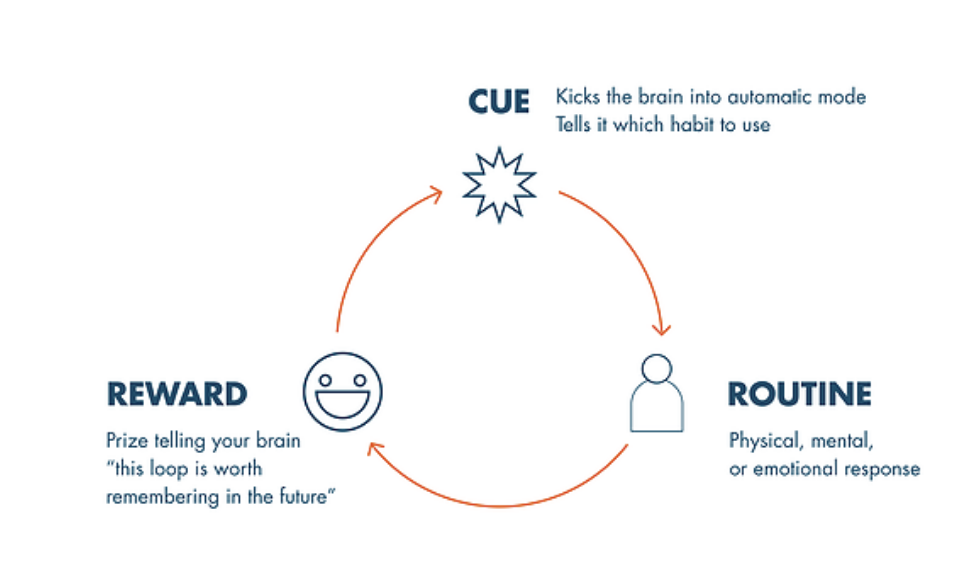
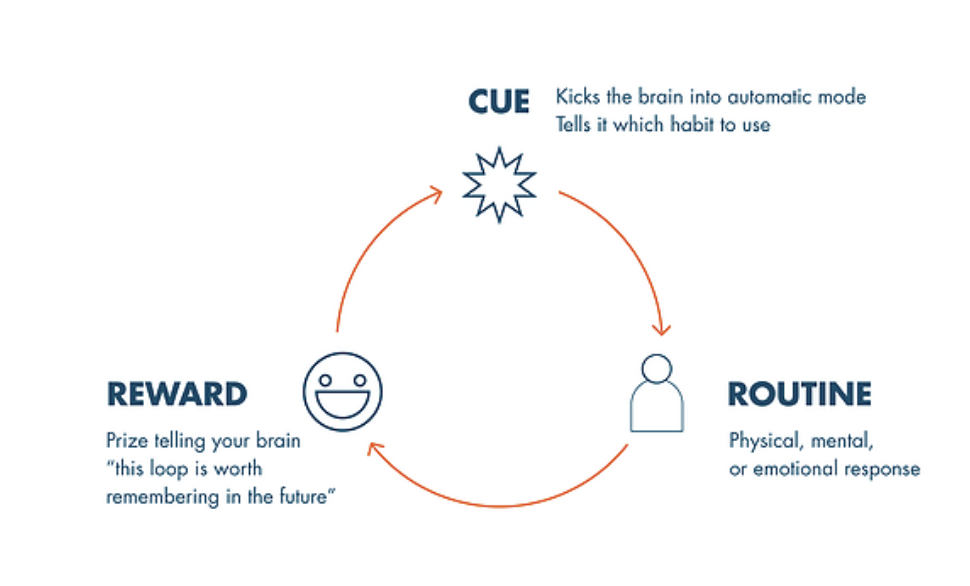
Habits, ingrained in the intricate workings of our brain, operate through a distinct Habit Loop that comprises cues, routines, and rewards. Understanding this loop is crucial in disrupting negative patterns and fostering positive change. By decoding the triggers that initiate habits and strategically replacing detrimental behaviours with constructive alternatives, we pave the way for sustainable transformation.
Looking deeper into the science of habit formation, we uncover essential rules that illuminate the path to making and breaking habits effectively. Stress emerges as a significant influencer, impacting habit development and decision-making processes. Identifying cues, replacing negative habits with positive actions, anchoring habits to intrinsic motivations, and acknowledging the limitations of sheer willpower are pivotal principles that underpin successful habit change.
As we embark on this journey of self-improvement and sustainable change, we invite parents, and our students, to explore the transformative power of habits within the context of the Four Pillars of Health.
Four Challenges:
Diet: Swap sugary snacks for nutritious alternatives like fresh fruits or nuts.
Sleep: Establish a bedtime routine, and power down devices at least an hour before bed to unwind and ensure a restful night's sleep.
Relax: Incorporate moments of relaxation into your daily schedule, whether it's deep breathing exercises, a 5-minute meditation, or a chat with a friend.
Exercise: Find enjoyable ways to stay active, like taking a brisk walk, dancing to your favourite music, or joining a fitness class.
By gradually integrating these insights into our daily lives and fostering a culture of care and well-being within our school community, we take strides towards a more balanced and fulfilling life.